
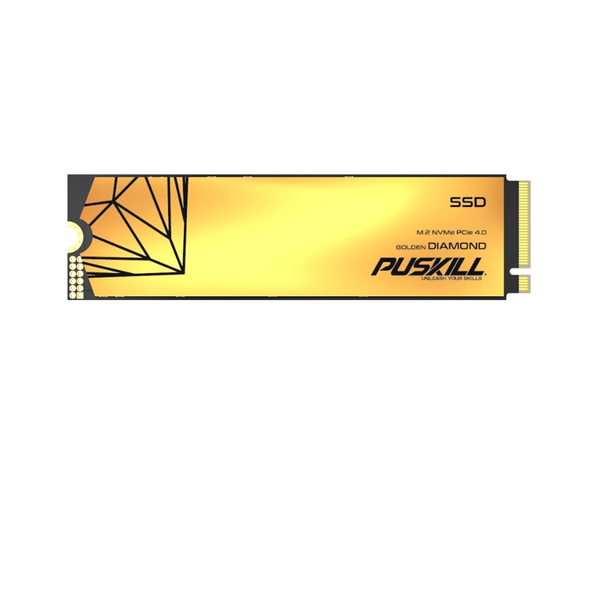
Data bottlenecks slow down modern computing systems every single day. Modern workloads require extreme throughput and ultra-low latency levels. A fast read NVMe SSD addresses these demanding storage challenges effectively.
Next-generation storage devices feature advanced PCIe 4.0 technology today. They use lead-free compliance standards and robust 3D TLC NAND components. Consequently, users achieve faster data access and higher system efficiency.
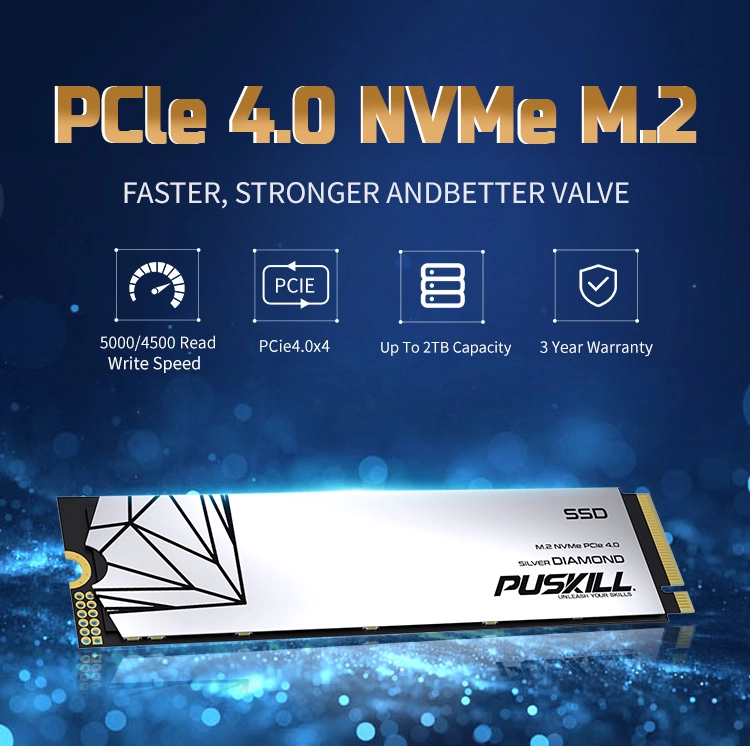
Storage load phenomenon in modern work
Slow Game Loading and Map Streaming Delays
Open-world games demand instant asset loading from your local drive. Older SATA drives cause visible texture pop-in and lag spikes. A low-speed drive ruins immersive gameplay during intense combat scenes.
High Latency in AI Applications and Big Data Processing
AI model training requires rapid ingestion of massive datasets daily. Slow storage throttles fast GPU processing during complex learning tasks. Therefore, data bottlenecks severely delay model deployment and real-time inference.
Sluggish 4K/8K Video Rendering and Large File Transfers
High-resolution media editing generates massive file sizes continuously. System slowdowns occur during complex timeline scrubbing and video exports. Professionals lose valuable time waiting for file transfers to complete.
How Fast Read NVMe SSD Technology Solves Data Bottlenecks
PCIe 4.0 Architecture and High Read Speeds
The latest PCIe 4.0 interface doubles available bus bandwidth instantly. Our flagship controller achieves sequential read speeds over 7000MB/s reliably. Meanwhile, sequential write speeds exceed 6500MB/s under heavy continuous workloads.
These speeds are 12 times faster than traditional SATA SSDs. Furthermore, they provide double the speed of previous PCIe 3.0 drives. Check out our full High-Performance Storage Category for top choices.
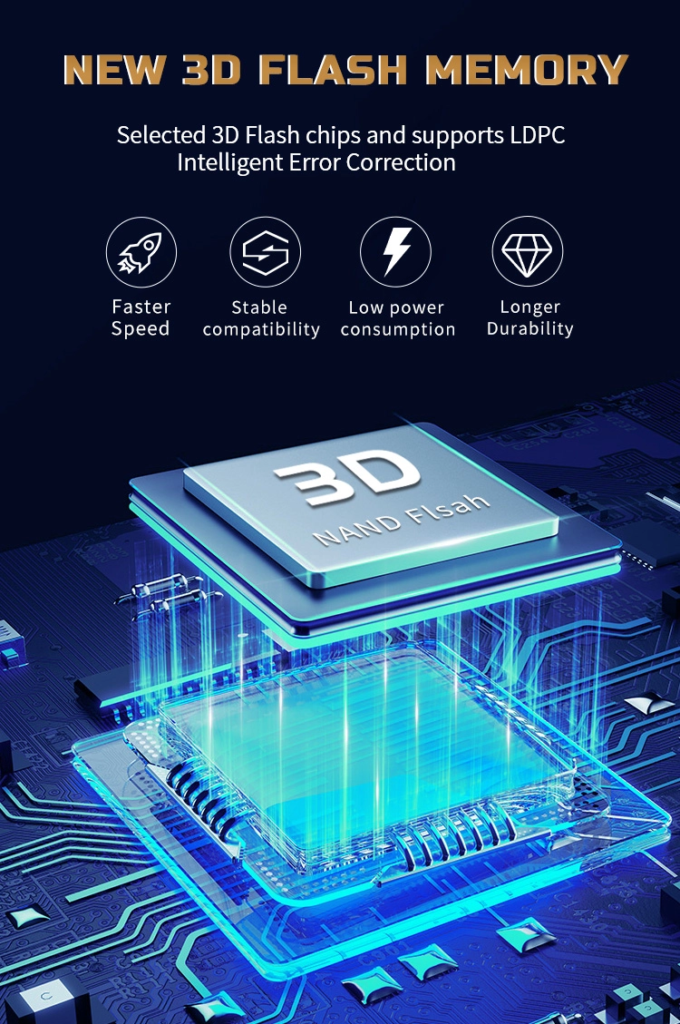
Advanced Thermal Management and Premium Components
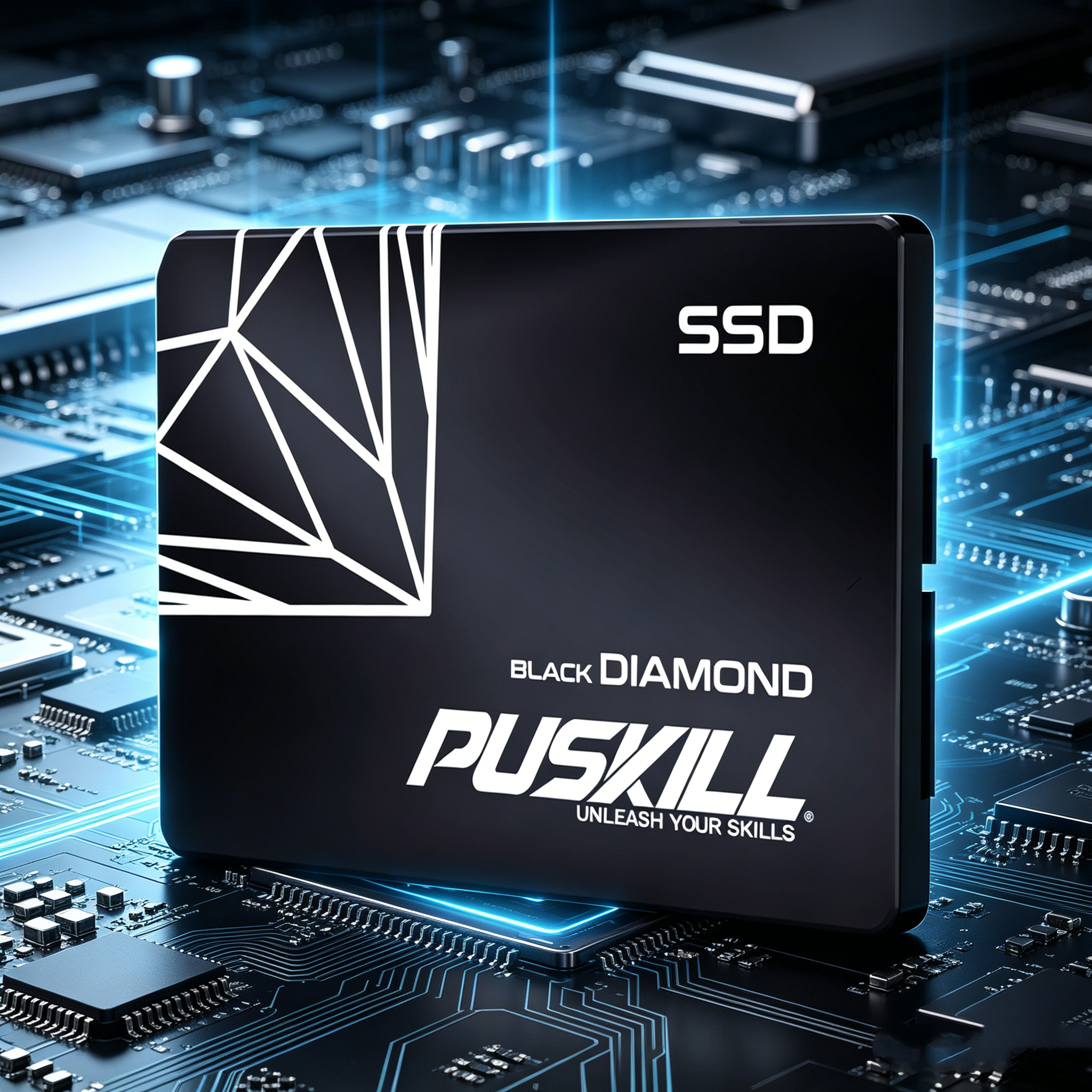
High speeds generate operational heat during sustained read and write tasks. We integrate a diamond-cut metal heatsink for superior thermal dissipation. Choose from gold, silver, or obsidian black aesthetic finishes easily.
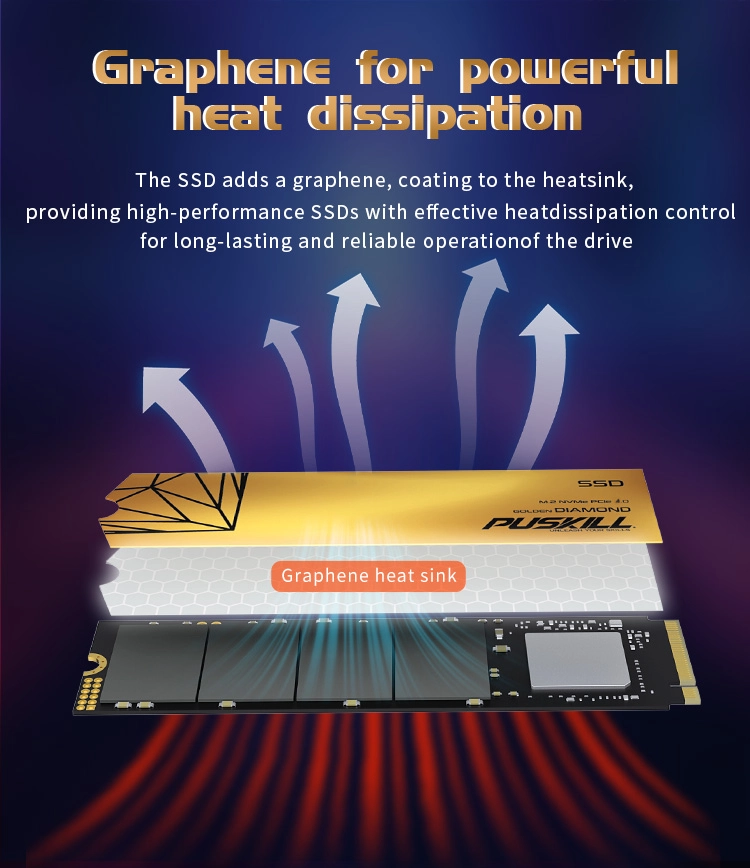
This thermal solution prevents severe speed throttling under maximum stress. Additionally, advanced LDPC error correction protects vital user files completely. Learn more details inside our comprehensive Storage Technology Guide online today.
Technical Specifications and Certification Comparison
| Feature / Spec | Our PCIe 4.0 NVMe SSD | Standard PCIe 3.0 SSD | Traditional SATA III SSD |
| Max Read Speed | > 7000 MB/s | ~3500 MB/s | ~550 MB/s |
| Max Write Speed | > 6500 MB/s | ~3000 MB/s | ~500 MB/s |
| Interface | M.2 NVMe PCIe 4.0 x4 | M.2 NVMe PCIe 3.0 x4 | SATA III 6Gbps |
| Endurance (1TB) | 1500 TBW | ~600 TBW | ~400 TBW |
| NAND Type | Selected 3D TLC | Standard 3D TLC | Legacy TLC/QLC |
| Thermal Design | Diamond-Cut Heatsink | Basic Sticker | Metal Casing |
Versatile Application Scenarios for Maximum Efficiency
This advanced M.2 NVMe SSD fits diverse high-performance environments seamlessly:
-
- AAA Gaming: Eliminates game loading screens and accelerates texture streaming.
- System Acceleration: Boot up your operating system within mere seconds.
- Content Creation: Smoothly edit 4K/8K video timelines without dropped frames.
- Industrial & Servers: Ensures rock-solid stability for workstations and business servers.
Q&A
Q1: How do I select the right RAM and SSD combination?
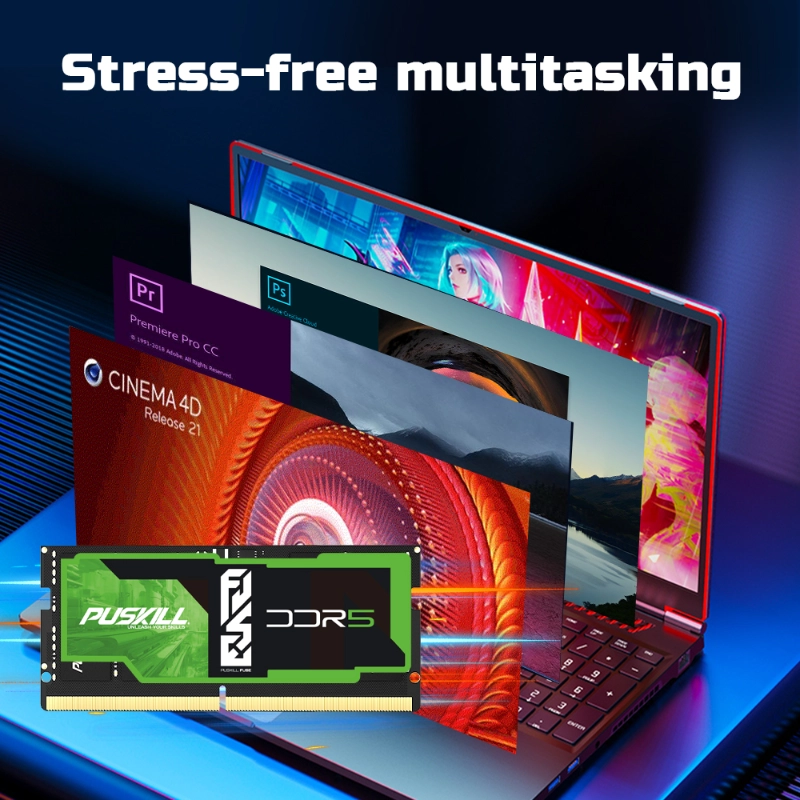
Match your storage interface with motherboard specifications carefully. Ensure your system supports PCIe 4.0 speed capabilities fully. Pair your fast SSD with sufficient DDR4 or DDR5 RAM. This balance prevents processing bottlenecks during heavy multitasking activities.
Q2: Does a PCIe 4.0 SSD work on PCIe 3.0 motherboards?
Yes, PCIe 4.0 SSDs are fully backward compatible. However, the drive will operate at PCIe 3.0 speed limits. Upgrading your motherboard unlocks the full 7000MB/s potential later.
Q3: Why is thermal management critical for fast NVMe drives?
Fast read speeds create extra heat during long transfers. Without effective cooling, drives reduce speed to protect internal circuits. Our custom metal heatsink maintains optimal temperatures for continuous performance.

Add comment