
Compact mini PCs power thousands of industrial kiosks, thin clients, and retail terminals worldwide. Hardware engineering teams constantly search for reliable, cost-effective system components.
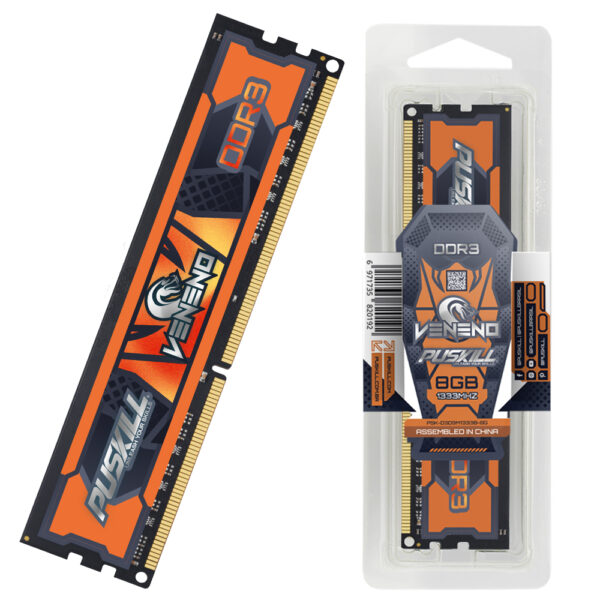
Surprisingly, many manufacturers still select an 8gb ddr3 memory ram configuration for their devices. This deliberate hardware choice surprises tech enthusiasts who favor cutting-edge memory technologies.
However, commercial hardware design follows practical business logic rather than consumer trend cycles. Building efficient micro-computers requires balancing manufacturing cost, thermal output, and steady performance.
Consequently, combining eight gigabytes of proven memory with low-power processors yields remarkable operational efficiency. Today, we explore why smart hardware vendors choose this reliable hardware architecture.
The Cost-Efficiency Advantage in Commercial Manufacturing
Lower Component Sourcing Expenses
Sourcing legacy memory components significantly reduces overall bill-of-materials costs for computer manufacturers. DDR3 silicon production lines have operated efficiently for over fifteen years.
Therefore, chipmakers produce these mature memory modules at extremely high yields. Lower production expenses allow vendors to pass substantial savings directly to enterprise buyers.
In addition, budget-conscious buyers demand affordable computing solutions without sacrificing daily operational stability. Choosing mature memory architectures keeps total unit production costs predictably low.
Maximizing ROI for Enterprise IT Fleets
Deploying hundreds of digital signage players requires careful capital budget planning. Purchasing expensive flagship computers for basic display tasks wastes corporate financial resources.
Instead, deploying a budget mini pc memory optimization strategy lowers initial hardware acquisition expenses. Companies achieve full return on investment much faster through lower capital expenditures.
Furthermore, IT managers save money on initial system provisioning and long-term hardware maintenance. Stable hardware configurations ensure seamless software compatibility across entire corporate workstation fleets.
Technical Synergy: Balancing Power, Thermals, and Bandwidth
Thermal Management in Small Form Factor Chassis
Engineers face severe physical constraints when designing ultra-compact mini PC chassis. Limited airflow inside small enclosures makes thermal management a critical engineering challenge.
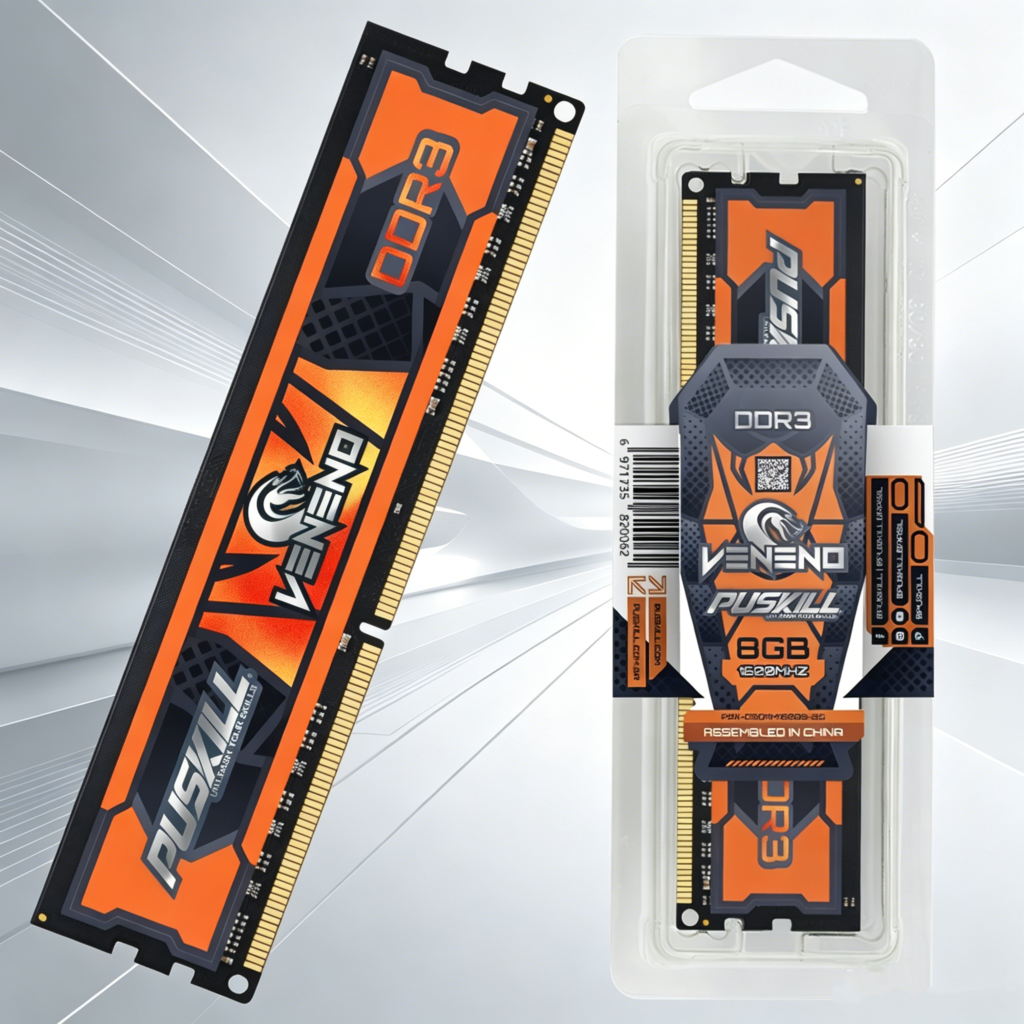
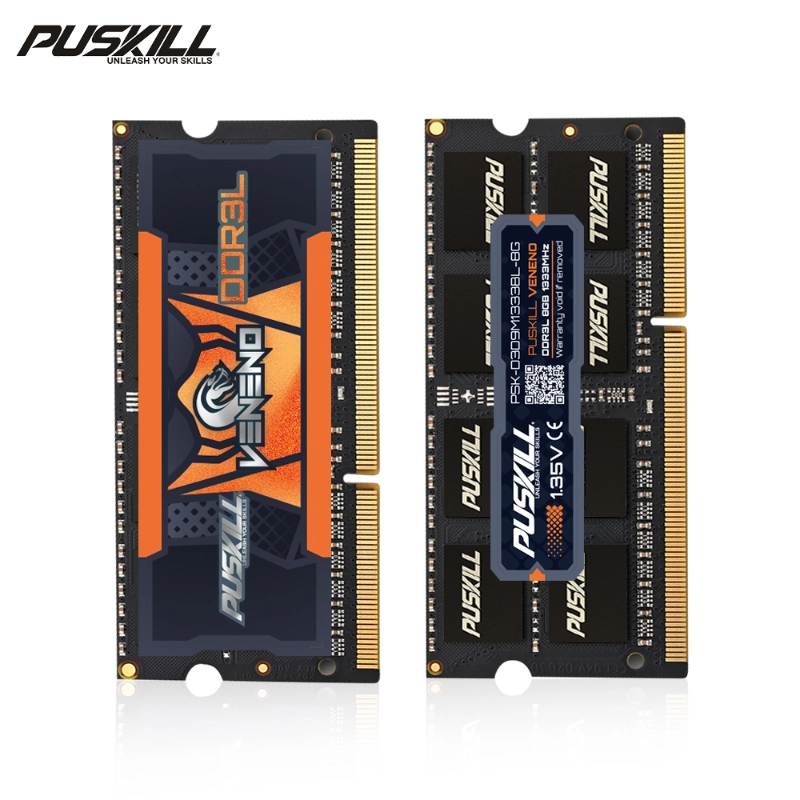
Fortunately, low-voltage DDR3L modules operate at a modest 1.35 volts. Lower operating voltage directly reduces heat generation inside sealed fanless computer cases.
-
- Reduced Voltage: DDR3L uses less electrical power than standard early-generation desktop RAM.
- Passive Cooling: Lower thermal output allows completely fanless chassis designs.
- Dust Prevention: Fanless enclosures prevent harmful dust accumulation on internal motherboards.
- Extended Lifespan: Stable operating temperatures protect sensitive silicon components from thermal degradation.
As a result, system stability improves dramatically during continuous multi-year industrial operations.
Optimal Capacity for Dedicated Industrial Workloads
Most industrial IoT applications do not require vast amounts of system memory. Lightweight Linux distributions run smoothly using less than two gigabytes of system RAM.
Therefore, an eight-gigabyte memory buffer provides ample room for multitasking and system caching. Embedded systems run dedicated control software without experiencing memory starvation or system crashes.
-
- Digital Signage: Smoothly renders 1080p video streams continuously.
- POS Terminals: Fast transaction processing with zero system lag.
- IoT Gateways: Efficiently handles concurrent sensor data collection feeds.
- Thin Clients: Provides snappy virtual desktop interface access.
Consequently, implementing ddr3 ram for embedded mini pc designs fulfills all technical workload requirements.
Industry News & Real-World Use Cases in 2026
Global Logistics & Automation Trends (2026)
  │
  ├──► Smart Warehouse Kiosks ──► Demands Durable, Simple Hardware
  ├──► Retail POS Systems    ──► Requires Low Power Consumption
  └──► Edge IoT Controllers  ──► Prefers Long-Term Supply Guarantees
Rising Demand in Edge Computing and Smart Retail
Recent tech supply chain reports highlight rapid growth in smart retail hardware deployments. Automated checkouts, self-service kiosks, and digital menu boards require reliable embedded computing nodes.
In fact, global logistics operators deploy thousands of fanless mini PCs across regional warehouses. These dedicated edge devices process inventory data constantly in harsh, dust-filled environments.
Hardware buyers favor proven architectures like mini pc 8gb ddr3 setups for high-volume orders. These dependable systems deliver uninterrupted performance while keeping operating costs low.
Extended Lifecycle Support and Supply Chain Stability
Industrial equipment manufacturers prioritize hardware supply chain longevity over raw component speed. Redesigning motherboard layouts for newer memory generations costs substantial engineering time and money.
Fortunately, major chip makers guarantee long-term availability for mature DDR3 memory components. Industrial buyers can order identical hardware replacements for five to ten years seamlessly.
This long-term supply stability prevents unexpected software incompatibilities during fleet maintenance cycles. Thus, commercial clients maintain operational consistency across all deployed facilities worldwide.
Performance Comparison: DDR3 vs Modern Memory Standards
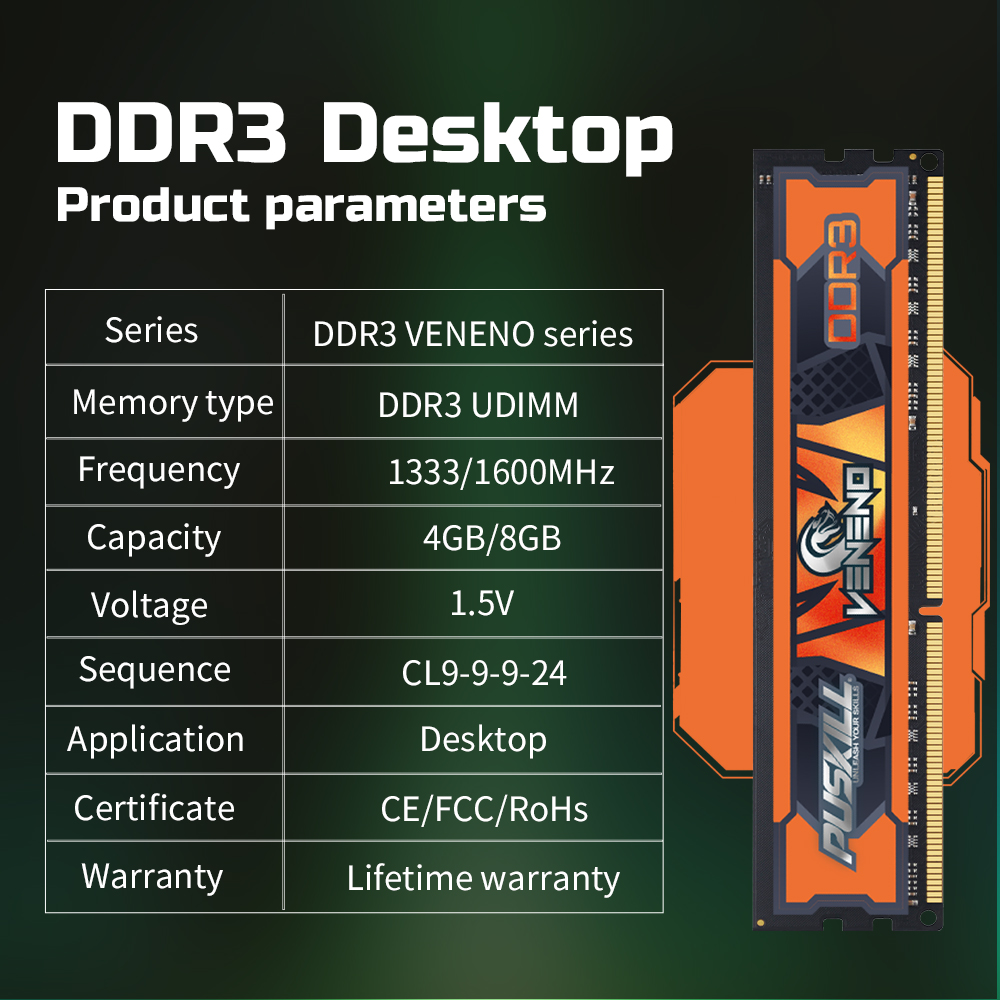
| Specification Metric | 8GB DDR3 Memory RAM | DDR4 SODIMM | DDR5 SODIMM |
| Operating Voltage | 1.35V – 1.5V | 1.2V | 1.1V |
| Component Cost | Lowest | Moderate | High |
| Thermal Output | Very Low | Low | Moderate to High |
| Supply Longevity | Guaranteed High | High | Evolving |
| Target Use Case | Embedded / Kiosk | Mainstream Desktop | High-End / AI Edge |
Why DDR4 or DDR5 Aren’t Always Necessary
Modern DDR5 memory modules deliver impressive theoretical transfer speeds. However, simple embedded controllers rarely utilize this extra memory bandwidth.
Paying extra for unneeded bandwidth wastes valuable enterprise hardware budgets. Furthermore, high-speed DDR5 modules often require active fan cooling inside tight chassis enclosures.
Instead, smart engineers prioritize efficient mini pc performance ddr3 configurations for single-purpose tasks. Matching hardware specifications directly to software requirements prevents wasteful over-provisioning.
Key Considerations When Selecting an 8GB DDR3 Mini PC
Hardware buyers must evaluate several technical factors before finalizing mini PC fleet purchases. Following a structured evaluation process guarantees optimal system selection.
1.Confirm DDR3L Compatibility:
Verify Voltage Requirements.
Ensure motherboard chipsets support 1.35V low-voltage memory modules for optimal thermal efficiency.
2.Evaluate Chassis Thermal Design:
Assess Cooling Architecture.
Select fanless aluminum enclosures to protect internal components from dust and mechanical failure.
3.Check Industrial Peripheral Support:
Analyze Input/Output Ports.
Verify the mini PC offers sufficient COM, LAN, and USB ports for local sensor connections.
4.Validate Supply Lifecycle Guarantees:
Confirm Vendor Commitments.
Choose hardware vendors that guarantee multi-year component availability and extended warranty terms.
Additionally, verify integrated graphics output capabilities for high-definition digital display installations. Dual HDMI or DisplayPort outputs ensure flexible monitor configurations across modern retail environments.
Strategic Memory Selection for Commercial Reliability
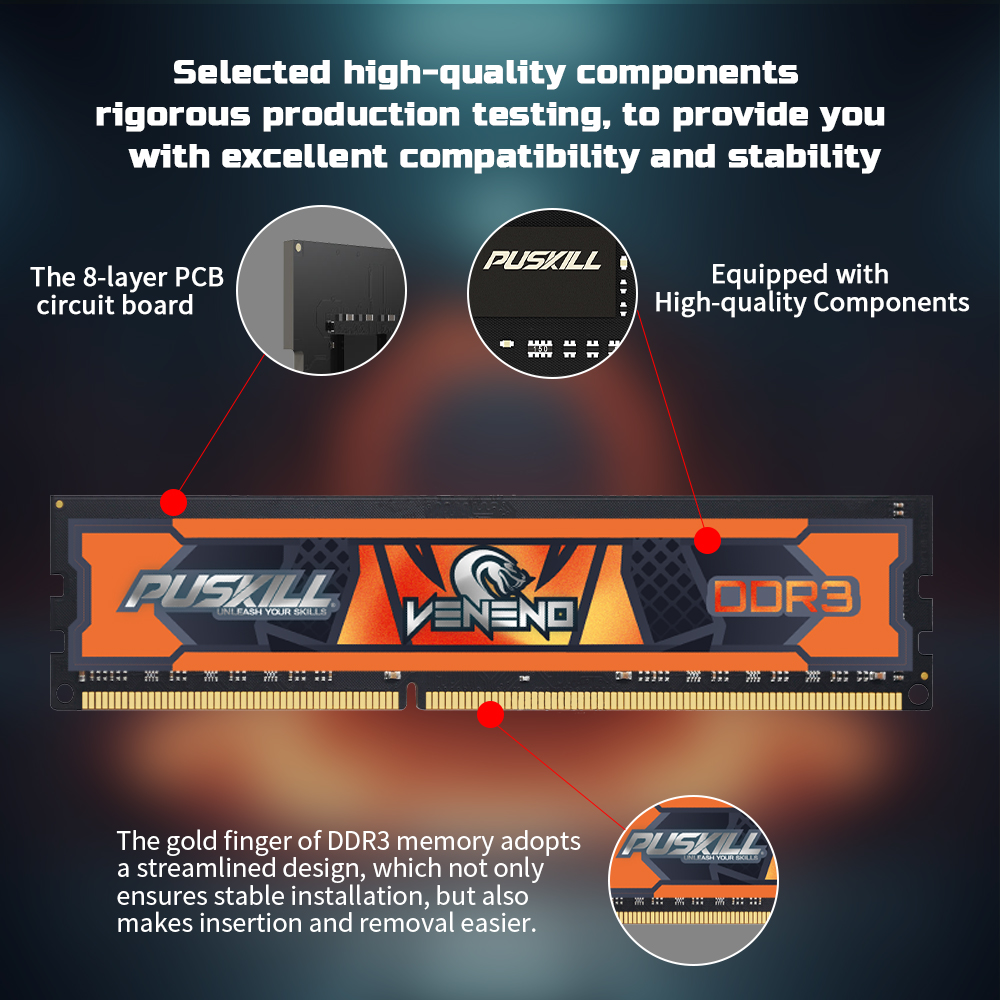
Choosing an 8gb ddr3 memory ram configuration remains a practical business decision in 2026. Commercial manufacturers balance low production costs with dependable daily performance.
Compact mini PCs power global supply chains, retail displays, and factory automation networks reliably. Investing in proven hardware architecture ensures low total ownership costs for enterprise fleet buyers.
Ultimately, matching memory specifications to actual software requirements drives maximum operational efficiency. Evaluate your organization’s computing needs and choose reliable mini PC solutions today!
Add comment