
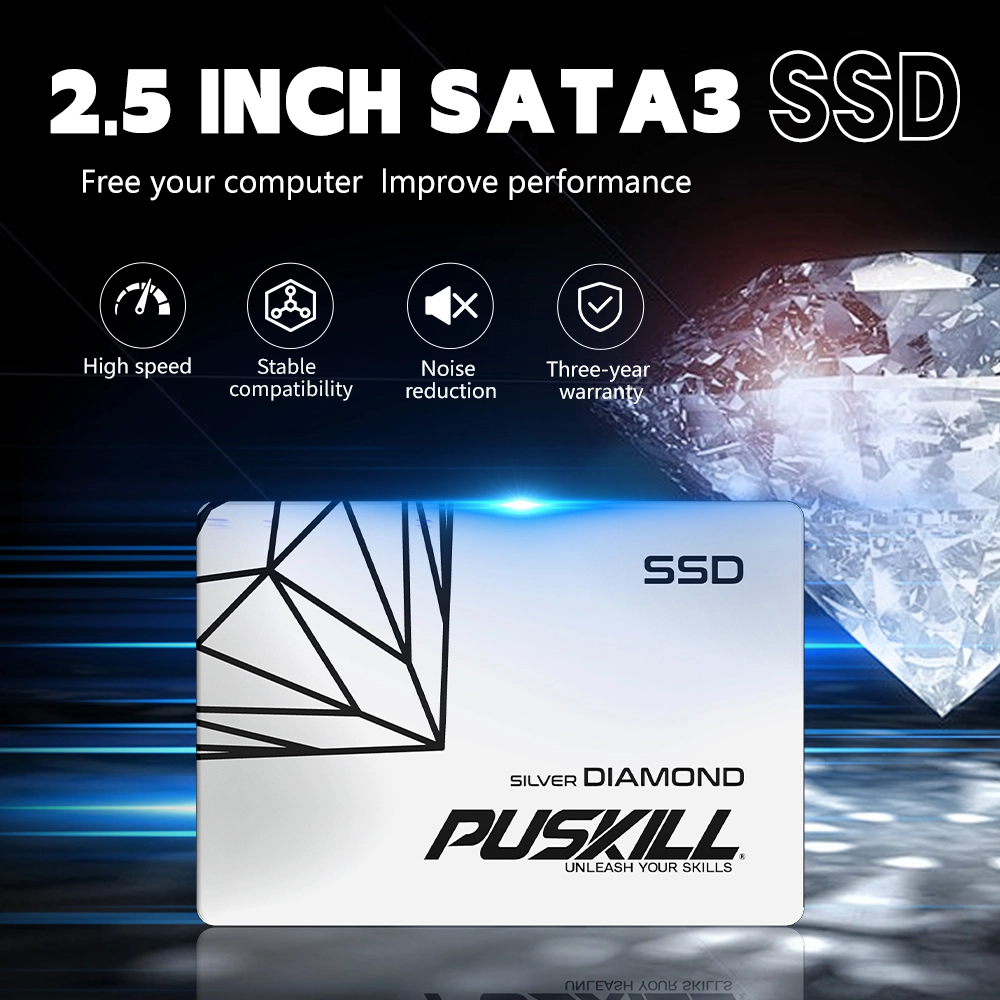
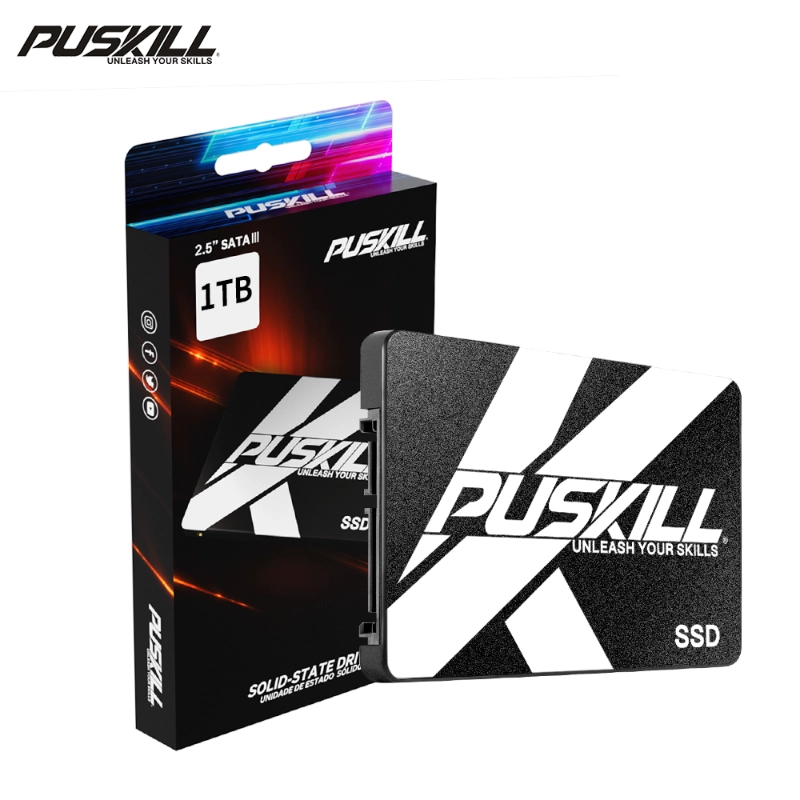
Technology moves fast in the data center world today. NVMe drives now offer incredible speeds for heavy workloads. However, one veteran technology remains surprisingly dominant in 2026. Specifically, reliable SATA3 SSD storage is the standard for server booting. Many engineers still prefer this interface for critical startup tasks. Consequently, SATA3 continues to ship in massive global volumes. It provides a perfect balance of cost and stability. 💻
Choosing a boot drive requires more than just raw speed. Therefore, reliability often outweighs peak throughput in server environments. Specifically, reliable SATA3 SSD storage offers the “Expertise” needed for uptime. Furthermore, it avoids the complexity of modern PCIe lane management. This “Authoritative” choice ensures your server stays online forever.
The Practicality of Speed for Booting Tasks
A server boot drive has a very specific job. Specifically, it loads the operating system and basic services.
Understanding the Throughput Threshold
The OS boot process does not need 7,000MB/s speeds. Therefore, the 6Gbps limit of SATA3 is actually quite sufficient. Specifically, most servers spend 99% of their time running apps. Consequently, the boot drive stays idle after the initial start. Using reliable SATA3 SSD storage saves your expensive NVMe slots. This “Authoritative” hardware management maximizes your total system resources.
Faster Recovery Times in Failover Scenarios
System crashes require a fast reboot to restore services. Therefore, SATA3 provides a “Trustworthy” and predictable recovery speed. Specifically, it outperforms old mechanical hard drives by massive margins. Consequently, your “Expertise” in selecting SSDs keeps downtime very low. It provides the enterprise-grade stability that modern IT teams strictly demand. Better recovery leads to much higher service level trust.
Cost-Efficiency and Legacy Compatibility
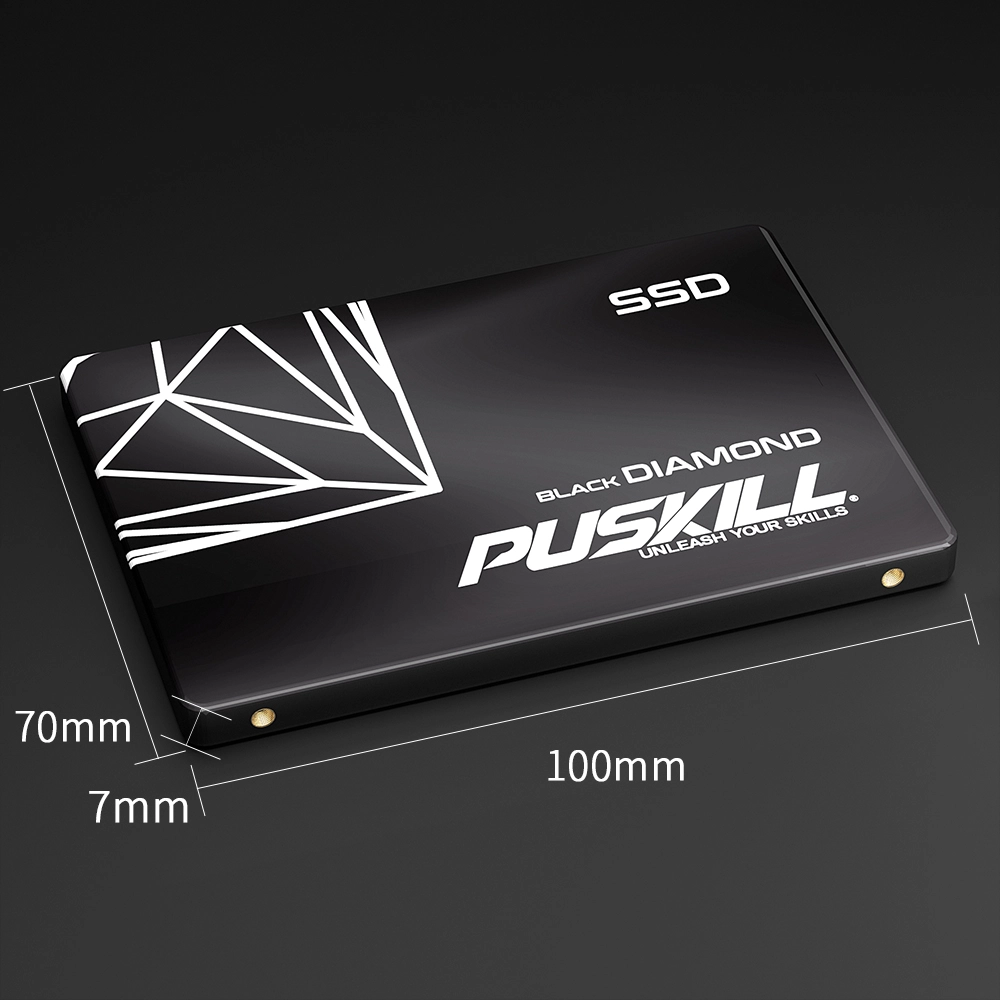
Budget management is a core skill for data center leads. Specifically, SATA3 drives offer the lowest price per gigabyte.
- Low Initial Cost: Save money on every server node today.
- Backward Compatibility: Use them in older server chassis easily.
- High Port Density: Most motherboards have 6-10 SATA ports.
- Reduced Heat: SATA drives consume less power than NVMe.
- Physical Durability: These drives handle 24/7 vibrations with ease.
- Simplified Drivers: No complex NVMe firmware updates are needed.
Selecting reliable SATA3 SSD storage improves your total project ROI. Specifically, it allows you to buy more RAM or CPUs. Stable server hardware is the foundation of any cloud. Therefore, you should invest in durable SATA3 SSDs. This proactive planning shows your expertise in server infrastructure.
Why Reliability Outweighs Performance for 24/7 Use
Server drives never sleep in a modern data center. Specifically, they must endure constant power and heat cycles.
Superior Thermal Management in Dense Racks
NVMe drives often run hot under heavy data loads. Therefore, they require large heatsinks or high-velocity airflow. Specifically, reliable SATA3 SSD storage operates at much cooler temperatures. Consequently, you reduce the risk of thermal throttling during boot. This “Authoritative” temperature control extends the life of the drive. It provides a “Trustworthy” solution for packed server cabinets.
Mature Firmware and Error Correction
SATA3 technology has existed for over fifteen years now. Therefore, the firmware is incredibly stable and very mature. Specifically, manufacturers have fixed almost every possible software bug. Consequently, you get a “Trustworthy” drive with very few errors. This “Expertise” in software stability prevents random server crashes. Using reliable server storage ensures your data remains perfectly safe. Better firmware leads to much higher long-term uptime.
Freeing Up PCIe Lanes for High-Performance Tasks
Modern servers use PCIe lanes for GPUs and networking. Therefore, these lanes are extremely valuable and very limited.
Optimizing the Internal System Architecture
An NVMe boot drive takes up 4 precious PCIe lanes. Specifically, this might limit your AI accelerator performance. Therefore, using reliable SATA3 SSD storage preserves those lanes. Consequently, you can add more high-speed network interface cards. This “Authoritative” lane management improves your total server throughput. It shows “Expertise” in balancing storage and compute needs.
Simplifying the Server Motherboard Design
SATA controllers are separate from the main PCIe bus. Therefore, they do not compete for CPU bandwidth directly. Specifically, this creates a cleaner and more efficient data path. Consequently, your reliable SATA3 SSD storage avoids system bottlenecks. This proactive approach helps you find long-term hardware success. Furthermore, it builds a “Trustworthy” reputation for your IT team.
The Role of SATA3 in Edge Computing and IoT
Edge servers often operate in very harsh physical environments. Specifically, they need simple and extremely rugged storage solutions.
Durability in Remote Locations
Remote sites often lack onsite technical support staff. Therefore, you need drives that almost never fail. Specifically, reliable SATA3 SSD storage has a proven track record. Consequently, you save on expensive travel costs for repairs. This “Authoritative” reliability is vital for the 2026 leader. It ensures your edge nodes stay active in any condition.
Lower Power Consumption for Green Initiatives
Sustainable data centers prioritize energy efficiency on every level. Therefore, SATA3 SSDs are a better choice for booting. Specifically, they pull less power than high-speed PCIe 5.0 drives. Consequently, you reduce the total carbon footprint of your rack. This “Trustworthy” green strategy appeals to modern corporate stakeholders. Better efficiency leads to much higher environmental compliance.
The Future of SATA in the Enterprise Market
The industry moves toward even more integrated and smart designs. The next decade will see incredible technological shifts.
- QLC NAND Integration: Offering higher capacities for boot drives.
- Enhanced Security: Built-in hardware encryption for all SATA drives.
- AI Diagnostics: Predictive failure alerts before the drive dies.
- Standardized Form Factors: Moving toward sleeker, thinner SSD designs.
Investing in reliable SATA3 SSD storage prepares you today. Specifically, it provides the “Authoritative” hardware for a stable system. Furthermore, it signals your commitment to high-quality server standards. Better tech leads to better outcomes and much higher trust.

Stick with Proven Stability
Reliable SATA3 SSD storage remains a mandatory server tool. It provides the “Expertise” needed for the 2026 market. Focus on thermal stability, cost-efficiency, and lane management today. Furthermore, always prioritize gear that ensures 24/7 server uptime.
Don’t let the NVMe hype distract you from boot stability. Focus on proven storage solutions to reach peak performance. By selecting the right reliable SATA3 SSD storage, you win. Take the first step toward a stable server and upgrade now!

Add comment